
Key Takeaways
- Understanding trauma gently opens the door to seeing behavior through a lens of compassion rather than judgment, allowing us to meet children where they are.
- Building trust through consistency helps create a sense of safety for children who have experienced broken promises or instability.
- Healing together as a family supports both the child and the caregiver, honoring a shared journey of growth, resilience, and restoration.
- Faith, community, and unconditional love offer grounding strength and a sense of belonging for those navigating the beautiful, complex path of the foster care system.
Close your eyes for a moment and imagine the scent of rain hitting warm pavement or the soft, rhythmic hum of a refrigerator in a quiet kitchen. These small, sensory anchors often define our sense of “home.” For many children, however, the concept of home has felt more like shifting sand than solid ground.
If it feels supportive, you’re invited to explore the heart of the foster care system with us today. This isn’t just a look at a social safety net; it is an invitation to understand how we can provide a harbor for those weathering the storm.
What is the Foster System? A Compassionate Overview
At its most fundamental level, the foster system is a bridge. It is designed to provide care for children who have been orphaned, abandoned, or removed from their homes due to circumstances of abuse or neglect. In the United States, more than 400,000 children are currently navigating this bridge.
But statistics only tell part of the story. Each number represents a child with a favorite color, a specific fear, and a deep need to be seen. The foster system provides a loving home and a family to support them during their most vulnerable moments.
To ensure these “harbors” are safe and prepared, foster parents go through an in-depth screening procedure and trauma-informed training. This preparation isn’t just about paperwork; it’s about equipping adults to hold space for a child’s history while helping them write a new chapter. While the journey is not without its difficulties, it remains a vital pathway for both the foster kid and the foster parent to experience the transformative power of connection.
How the Foster Care System Helps Children in Need
When a child cannot remain with their biological family, the world can feel like it has shattered. The foster care system serves as a safe haven where the pieces can be slowly gathered.
A Sanctuary for Stability
The primary goal of the system is to provide security and comfort. For a child who has lived in chaos, the simple predictability of a 6:00 PM dinner or a clean bed can be revolutionary. This stability allows the nervous system to move out of “survival mode” and into a state where growth is possible.
Access to Essential Resources
Beyond the emotional support, the system ensures that children receive the tangible resources they need to thrive, including:
- Specialized Healthcare: Addressing both physical needs and the invisible wounds of the past.
- Educational Support: Helping children catch up or excel in school despite previous disruptions.
- Emotional Advocacy: Connecting children with therapists and mentors who understand the nuances of displacement.
The foster care system is dedicated to reunifying families whenever it is safe to do so. It acts as a temporary scaffolding, supporting the child while the biological family works toward healing. When reunification isn’t possible, the system paves the way for permanency through adoption, ensuring no child is left to navigate the world alone.
The Heart of the Matter: Benefits of a Healing Home
The benefits of foster care extend far beyond the child. It is a reciprocal relationship where the “resource parent” and the child grow in tandem.
“Home is not just a place where you sleep; it is a harbor where you are shielded from the waves until you are strong enough to sail again.”
By providing a safe place to heal, foster parents offer a child the opportunity to rediscover their own worth. In return, caregivers often find a profound sense of purpose. They gain access to a community of support, including counseling services and social activities, which fosters a sense of collective care. This communal approach is a crucial component of our society, offering children the stability they need to begin the potentially lifelong healing process.
Navigating the Challenges with a Trauma-Informed Lens
We must be honest: the path of a foster parent is rarely a straight line. It is a winding road with unexpected detours. One of the most significant challenges involves caring for children with disabilities—ranging from physical needs to complex mental health disorders.
Furthermore, many children in the foster system carry a history of trauma. This trauma may manifest as withdrawal, defiance, or difficulty trusting others. From a trauma-informed perspective, we might gently reframe these behaviors. Instead of asking, “What is wrong with this child?” we might ask, “What happened to this child, and how is their behavior trying to keep them safe?”
Trust is not given; it is earned through a thousand small, consistent acts. While it can be exhausting to meet a child’s mistrust with unwavering kindness, the reward is the eventual formation of a lifelong bond. You are not just “watching” a child; you are helping them rewire their understanding of what it means to be safe.
Connection as the Ultimate Anchor
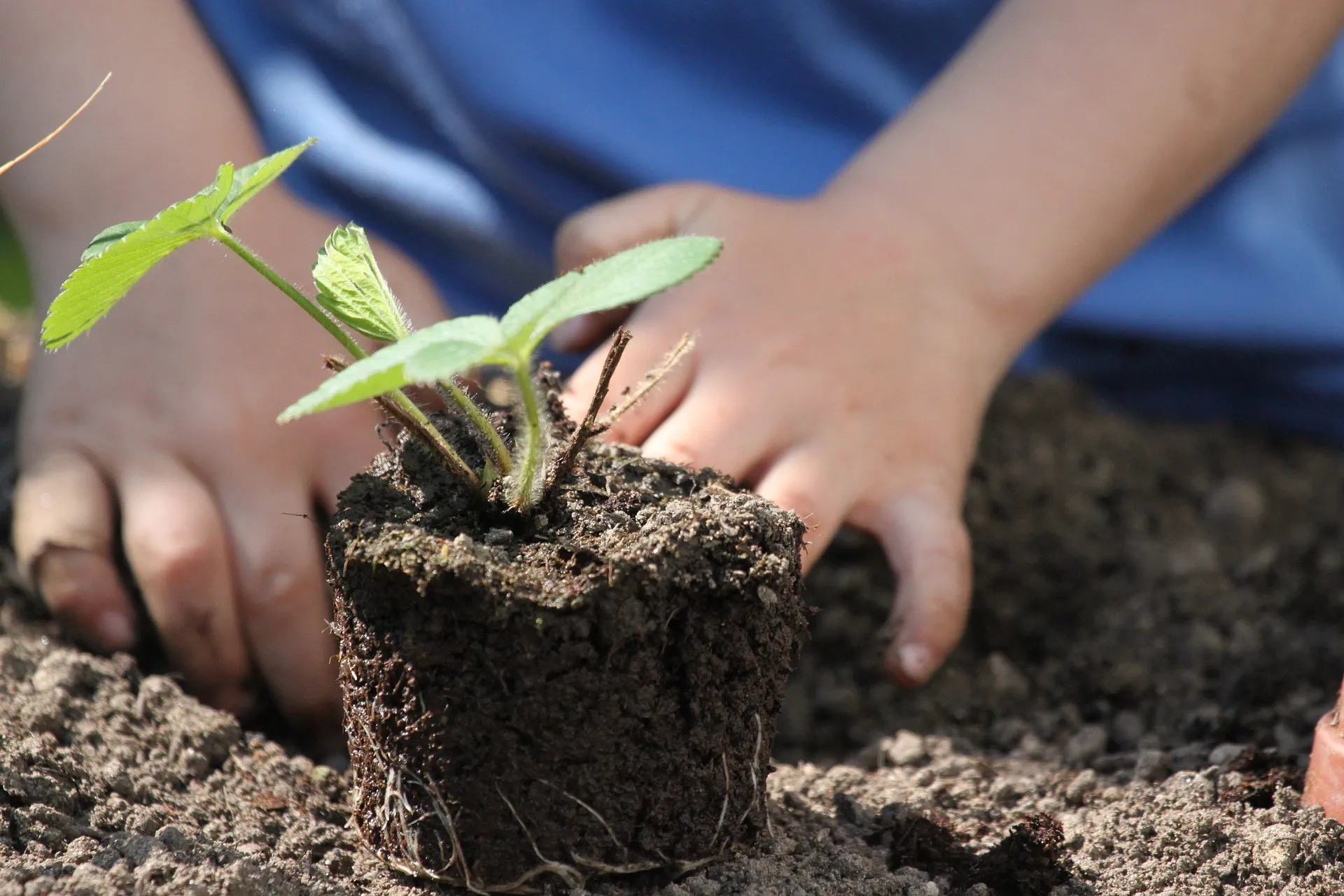
In the K-Letters Club, we believe that community is the soil in which healing grows. No foster family is meant to be an island. Whether it is through faith-based groups, local support networks, or the simple act of a neighbor dropping off a meal, these connections provide the grounding strength needed to navigate the highs and lows.
When we view the foster system through the lens of unconditional love, we see that it is less about “fixing” and more about “being with.” It is about creating a space where a child feels they belong—not because they are perfect, but because they are human and deserving of care.
A Hopeful Way Forward
The foster care system is a crucial component of our social safety net, but at its soul, it is a human endeavor. It is the brave act of opening one’s doors and heart to the unknown for the sake of a child’s future.
If you have felt a tug in your heart toward this community, we invite you to take a gentle step forward. You don’t need to have all the answers today. Perhaps your next step is simply reading more, or perhaps it is reaching out to a local organization to ask a few questions.
You have the agency to choose how you engage with this journey. Whether you become a foster parent, a mentor, or a supportive friend to a foster family, your presence matters.
Stay Connected with the K-Letters Club
If this exploration of the foster system and trauma-informed care resonated with you, we invite you to join our community. The K-Letters Club is a space for those who believe in the power of story, the necessity of healing, and the beauty of connection.
By joining the K-Letters Club, you’ll receive:
- Updates on new releases and upcoming projects: Be the first to know about our latest resources and stories.
- Helpful insights, stories, and behind-the-scenes notes: Dive deeper into the themes of resilience and restoration.
- Early access to important announcements: Stay informed on how we are growing and serving the community.
- A simple, personal way to stay connected: Join a family of readers and advocates dedicated to making the world a bit softer for everyone.
As you move through your day, may you find a moment to breathe deeply and remember that even the smallest act of kindness can be a harbor for someone in need.